What Is a Vibro Sifter?
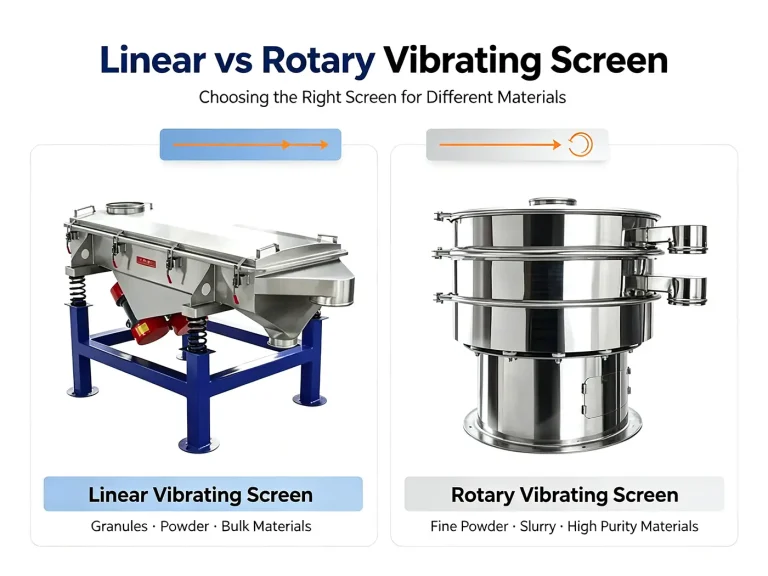
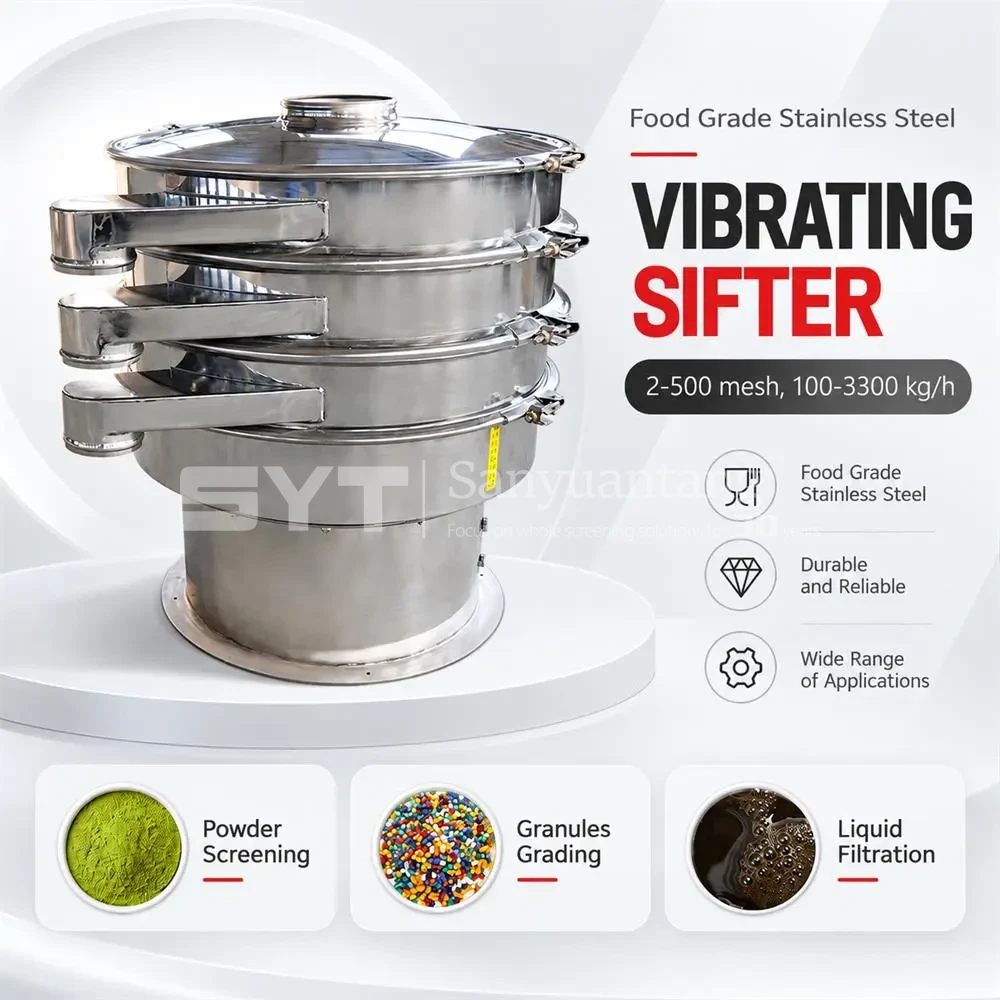
A vibro sifter, also known as a rotary vibrating screen, circular vibrating sieve, vibratory sifter or circular vibratory screener, is used for fine screening, grading and impurity removal of powders, granules and liquid materials. The machine uses a vertical vibration motor to generate three-dimensional motion across the screen surface, allowing material to pass through one or multiple mesh decks according to particle size. Vibro sifters are widely used in food, pharmaceutical, chemical, mineral and other industries requiring accurate separation, compact equipment layout and hygienic screening.
For model selection, send us the material name, bulk density, feed size, target mesh, required capacity and voltage. Our engineers will recommend a practical configuration rather than selecting by machine diameter alone.
Materials and Industrial Applications
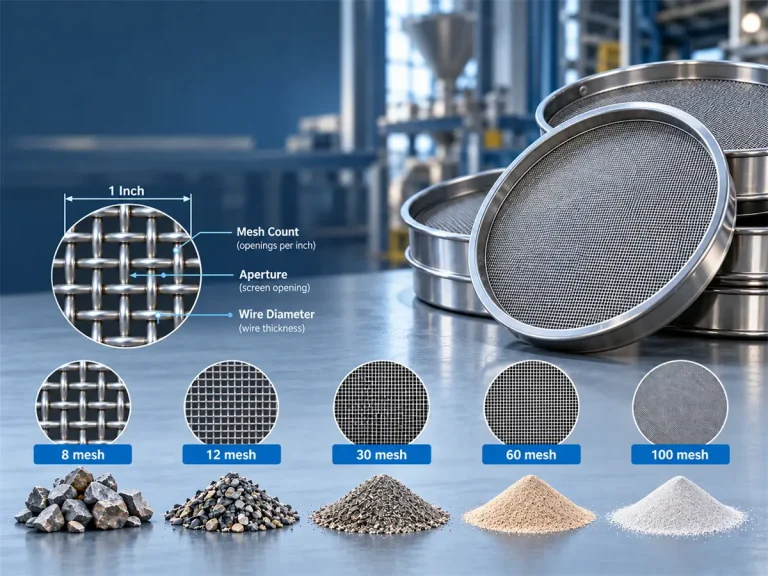
Vibro sifters are used for powder screening, particle grading, impurity removal and liquid filtration across food processing, pharmaceuticals, chemicals, minerals and other industries. They handle a wide range of materials, including fine powders, granules, bulk solids and slurries. Screen mesh, contact materials and equipment configurations can be selected according to material properties, required capacity and screening accuracy.

| Industry | Suitable Materials | Screening Objective |
|---|---|---|
| Food processing | Flour, sugar, starch, spices, salt, milk powder | Safety screening and de-lumping |
| Pharmaceutical | Raw materials, excipients, granules, herbal powder | Particle control and impurity removal |
| Chemical | Pigments, resins, additives, coatings | Classification and contamination removal |
| Plastics | Resin powder, masterbatch, pellets | De-dusting and grading |
| Ceramics | Ceramic powder, glaze and slurry | Classification or filtration |
| Metallurgy | Aluminum, copper and alloy powders | Fine classification |
| Minerals | Abrasives, refractory powder, calcium carbonate | Particle-size control |
Advantages
Continuous Safety Screening
A single-deck vibro sifter removes lumps, packaging fragments and other oversize contamination before mixing, filling or packing. Fine and oversize products discharge continuously through separate outlets.
Controlled Particle Classification
One screen normally produces two size fractions. Two screens can produce three fractions. Multi-deck construction supports additional classifications when the screen area, material behavior and required throughput allow.
Interchangeable Screens and Cleaning Systems
Screen frames can be changed for different apertures. Bouncing-ball cleaning suits many general powders, while ultrasonic deblinding can be evaluated for fine, cohesive or static-sensitive materials.
Compact Production-Line Integration
The circular footprint allows installation below a feeder, hopper, mixer or bag-dumping station and above a packing machine. Inlet, outlet, support height and connection type can be adjusted for the line.
How Does a Vibro Sifter Work?
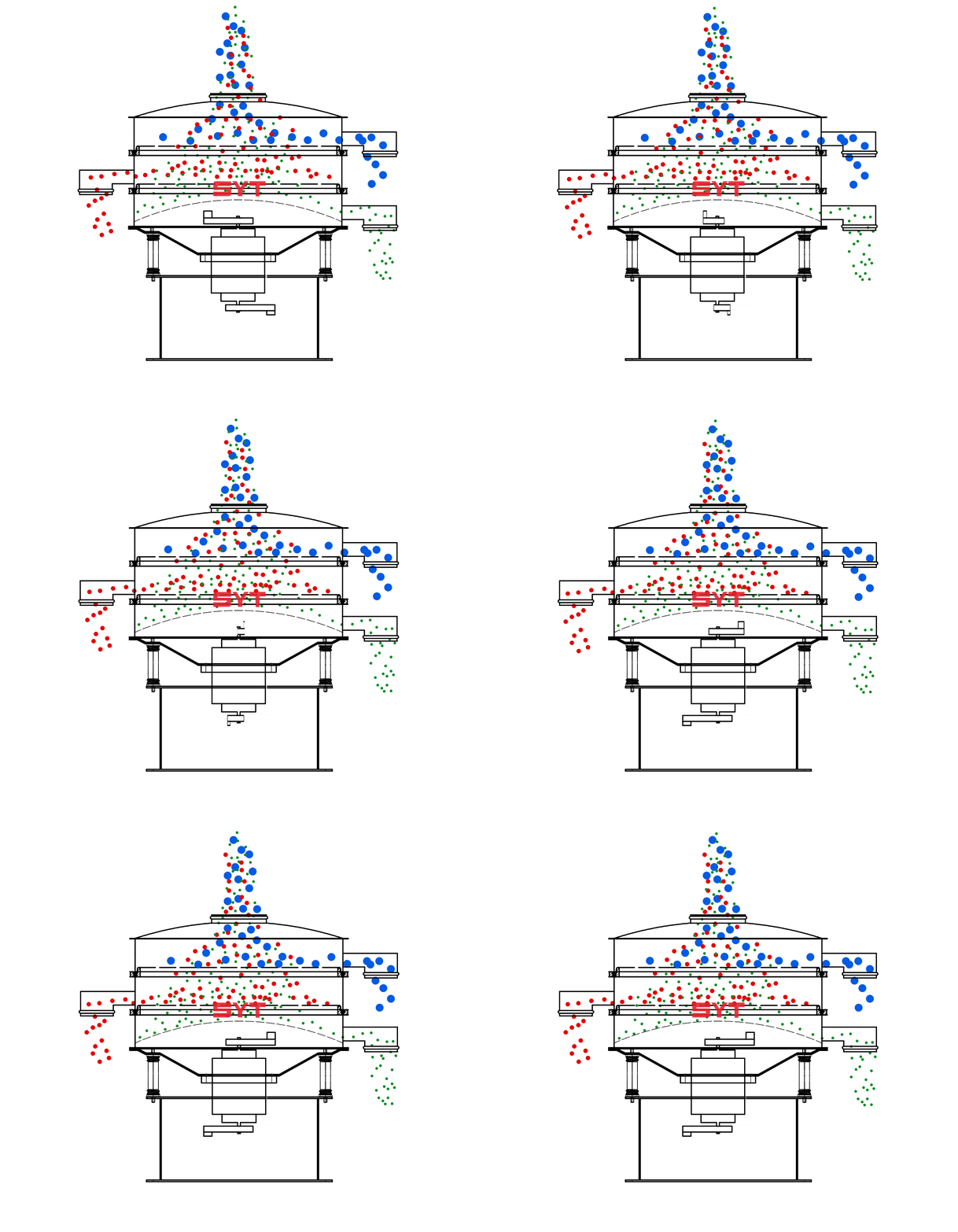
A vibro sifter operates using a vertical vibration motor fitted with upper and lower eccentric weights. The motor generates three-dimensional motion, combining horizontal, vertical, and tangential movement to distribute material evenly across the screen surface.
During screening, fine particles pass through the mesh, while oversized particles remain on the screen and move toward the discharge outlet. Multi-deck configurations use different mesh sizes to separate materials into multiple particle size fractions in a single operation.
The vibration amplitude and material flow pattern can be adjusted through the eccentric weights to control material residence time, screening efficiency, and discharge speed according to the material properties and processing requirements.
Vibro Sifter Structure & Components
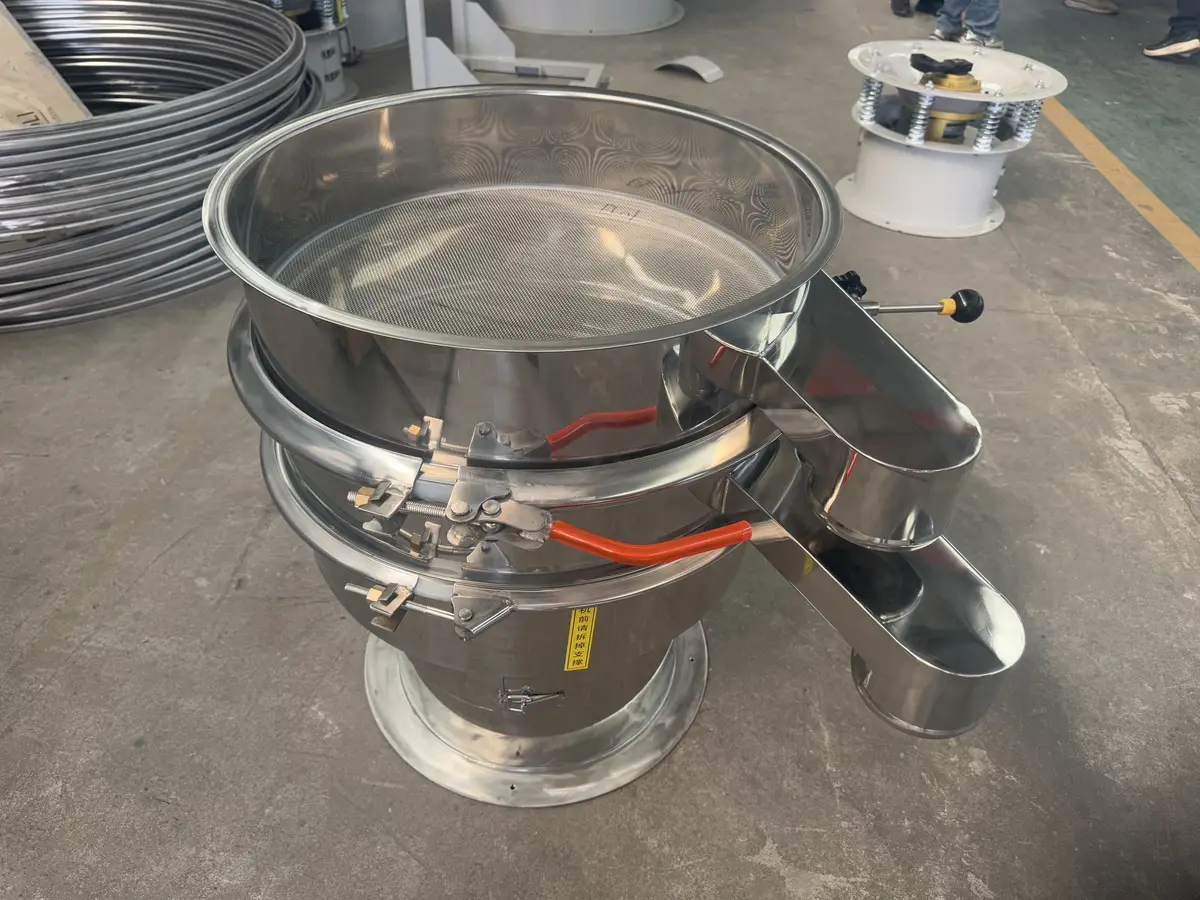
Sanyuantang vibro sifters feature a modular screening structure with stainless steel contact parts, adjustable eccentric weights, and a spring-supported vibration system. Each component is designed for stable operation, efficient separation, and convenient maintenance.
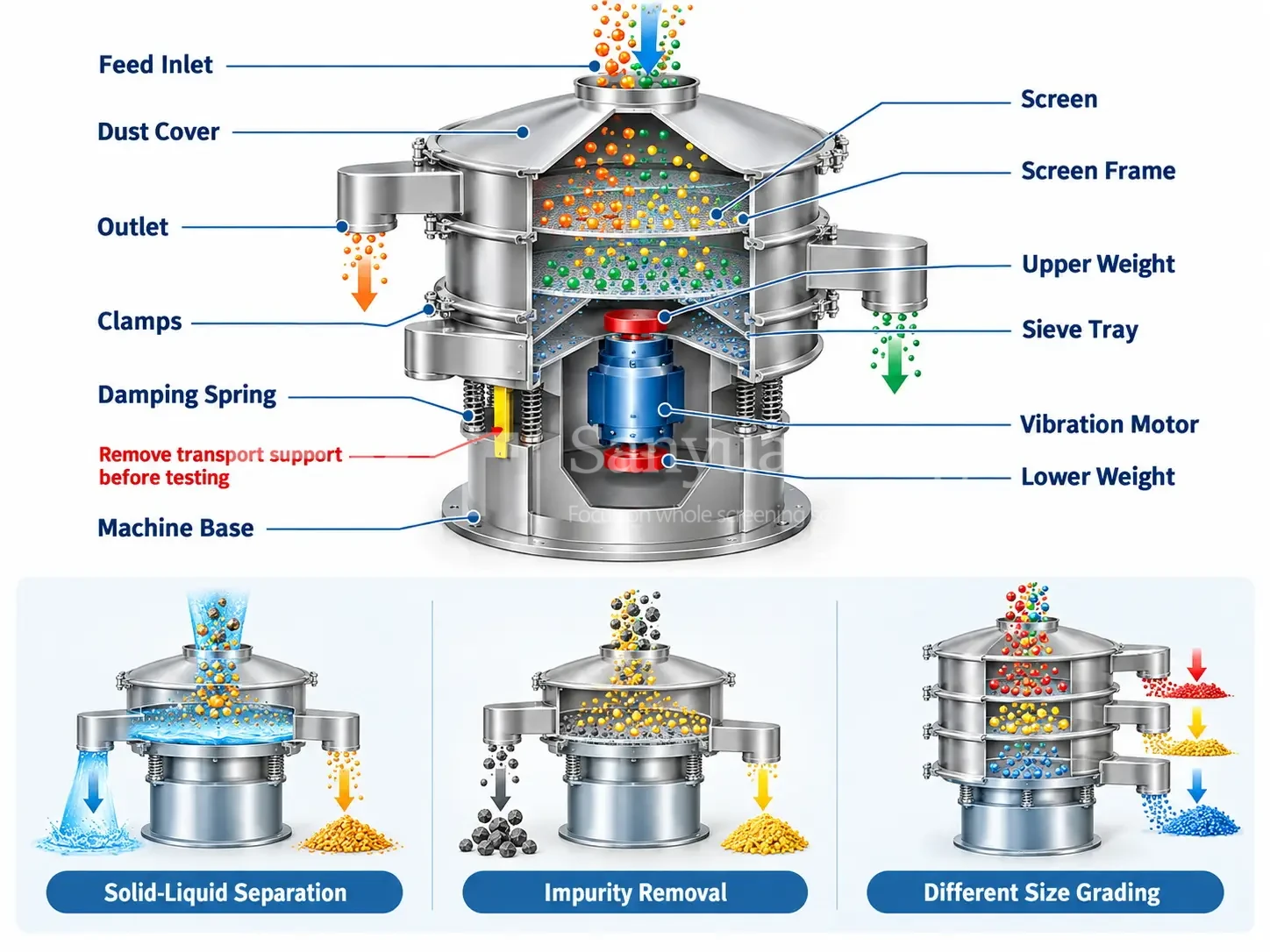
| No. | Component | Features & Functions |
|---|---|---|
| 1 | Feed Inlet | Centrally positioned inlet for uniform material feeding, with connection options for enclosed production systems. |
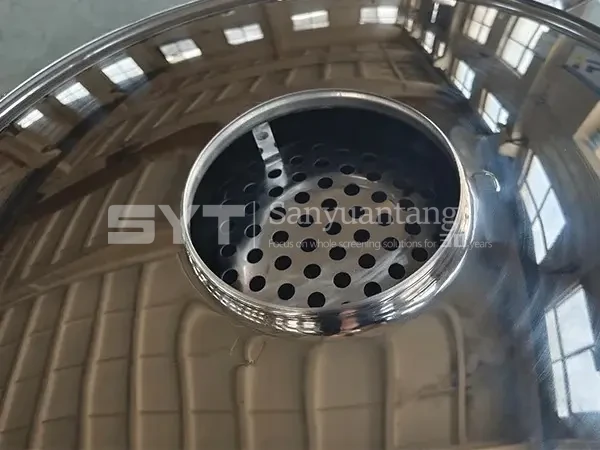
| 2 | Dust Cover | Stainless steel enclosed cover that minimizes dust leakage and contamination, with removable construction for easy cleaning. |
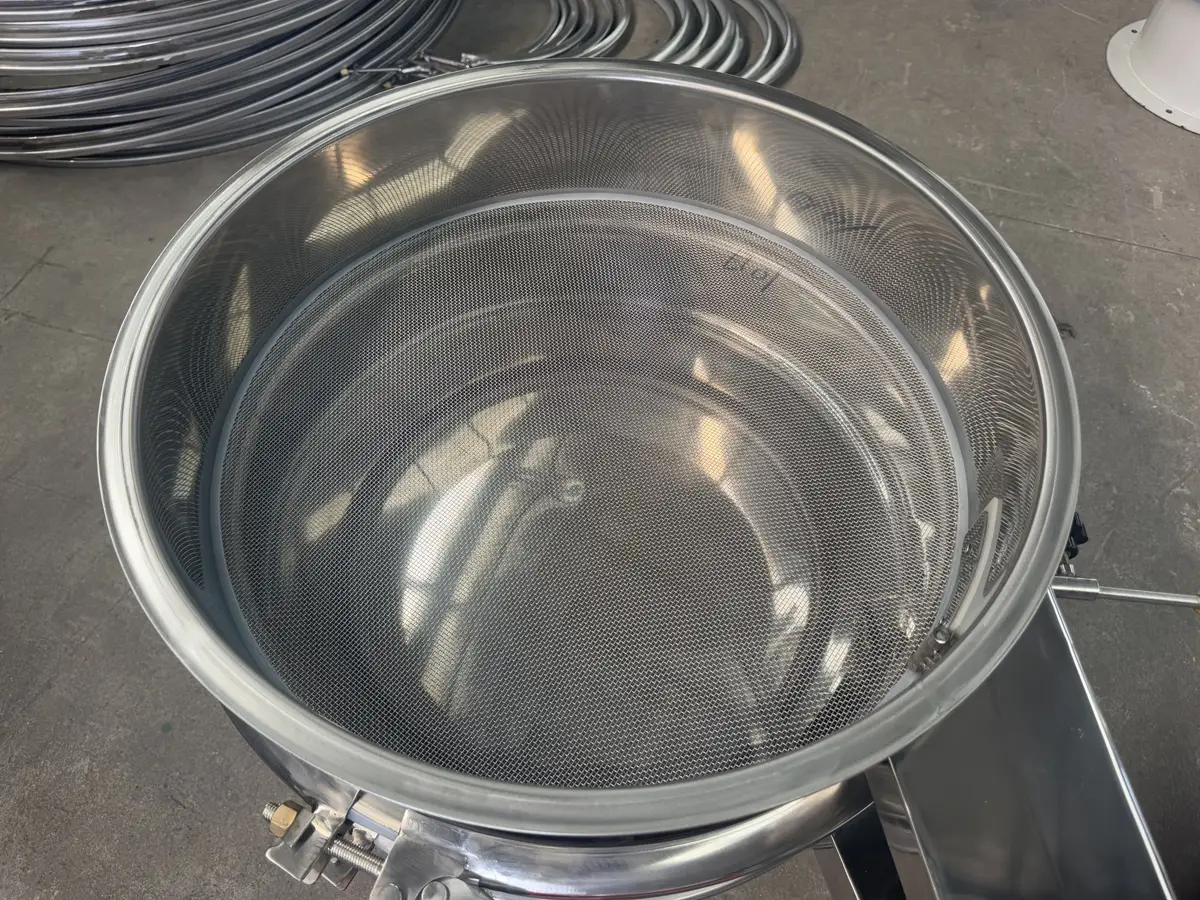
| 3 | Screen Mesh | Precision-woven mesh available in different aperture sizes and materials to meet specific particle separation requirements. |
| 4 | Screen Frame | Rigid circular frame that maintains screen tension and provides secure support during continuous vibration. |
| 5 | Sieve Tray | Stainless steel screening deck designed for smooth material distribution, with single- or multi-deck configurations available. |
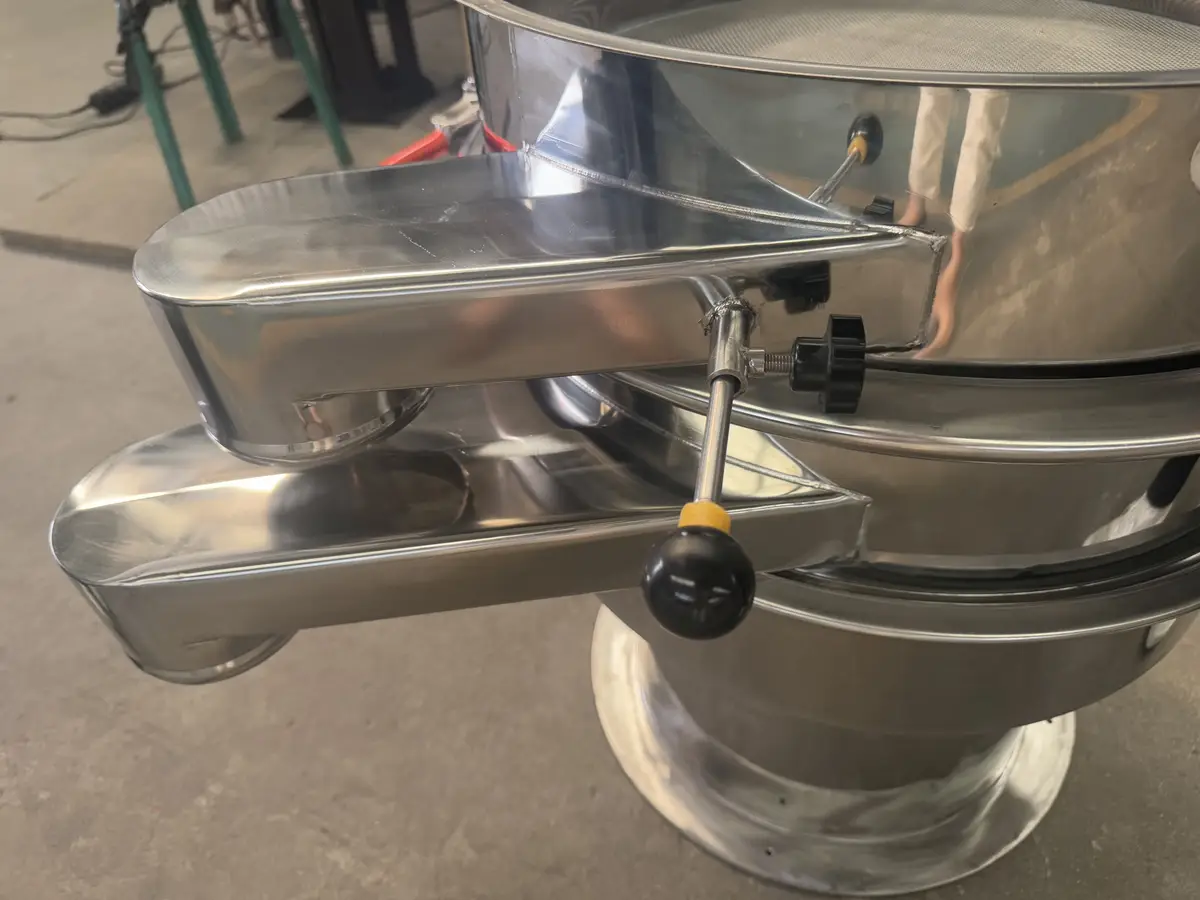
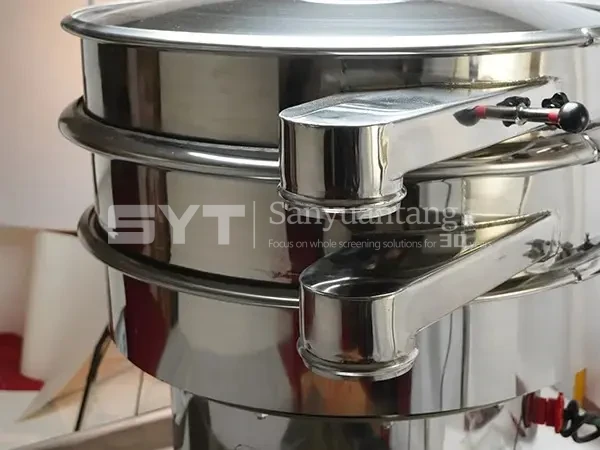
| 6 | Discharge Outlet | Side-mounted outlet designed for continuous material discharge, with outlet positions configurable to suit production layouts. |
| 7 | Clamps | Quick-release fastening clamps that secure the screening decks and allow convenient disassembly for mesh replacement. |
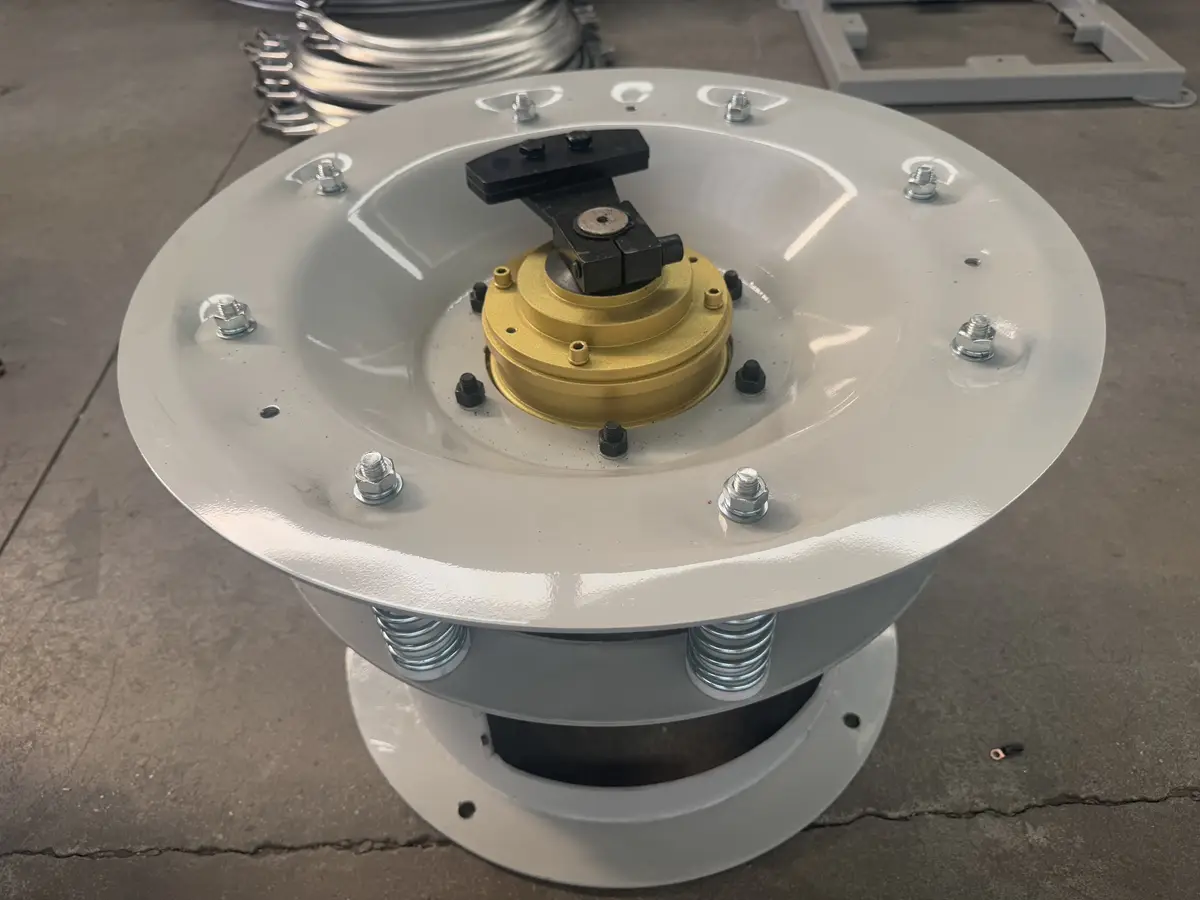
| 8 | Vibration Motor | Vertical vibration motor with adjustable eccentric weights, generating three-dimensional motion for screening and material transport. |
| 9 | Upper Eccentric Weight | Adjustable upper weight that generates horizontal vibration and influences material movement across the screen surface. |
| 10 | Lower Eccentric Weight | Adjustable lower weight that controls vertical and tangential motion, allowing optimization of screening time and discharge patterns. |
| 11 | Damping Springs | Heavy-duty support springs that isolate operational vibration and maintain stable screening performance. |
| 12 | Machine Base | Reinforced support structure that houses the vibration drive assembly and provides stability during continuous operation. |
Parts Details Show
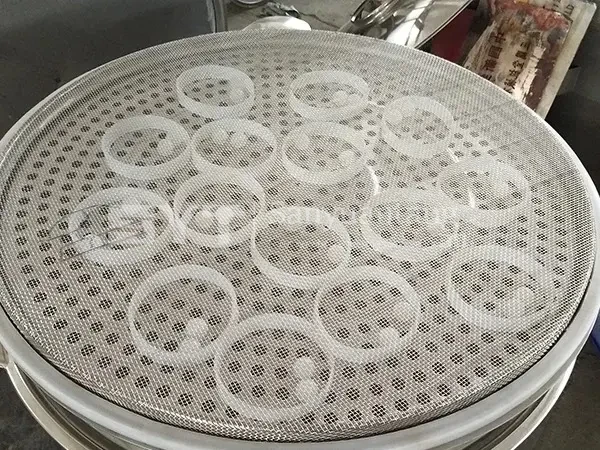
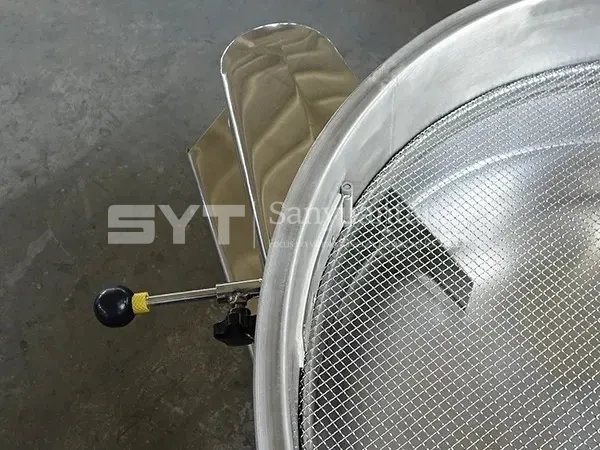
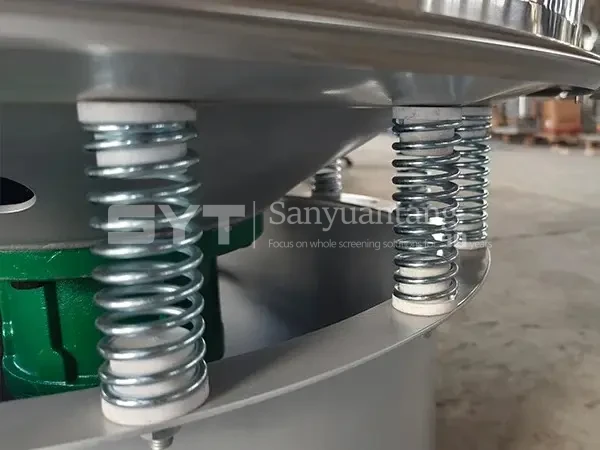
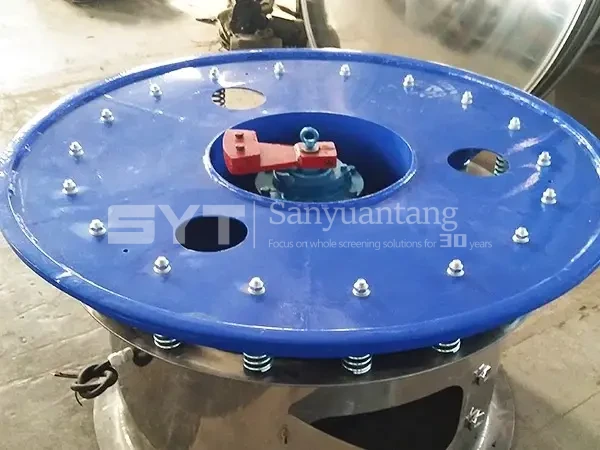
Models and Specifications
The SY-XZS Vibro Sifter series is available in multiple models to meet different screening capacities, material characteristics and separation requirements. Model selection is mainly based on screen diameter, number of decks, required throughput and motor power. The table below provides the main specifications for quick comparison.
| Model | Decks | Max. Feed Size | Mesh Range | Effective Diameter | Motor Power | Reference Capacity |
|---|---|---|---|---|---|---|
| SY-XZS400 | 1–3 | <20 mm | 2–500 mesh | 380 mm | 0.25 kW | 100 kg/h |
| SY-XZS600 | 1–3 | <20 mm | 3–500 mesh | 580 mm | 0.55 kW | 200 kg/h |
| SY-XZS800 | 1–5 | <30 mm | 3–500 mesh | 780 mm | 0.75 kW | 500 kg/h |
| SY-XZS1000 | 1–5 | <30 mm | 3–500 mesh | 970 mm | 1.1 kW | 800 kg/h |
| SY-XZS1200 | 1–5 | <30 mm | 3–500 mesh | 1170 mm | 1.5 kW | 1,200 kg/h |
| SY-XZS1500 | 1–5 | <50 mm | 3–500 mesh | 1470 mm | 2.2 kW | 1,500 kg/h |
| SY-XZS1800 | 1–5 | <50 mm | 3–500 mesh | 1770 mm | 3.0 kW | 2,000 kg/h |
Model Selection by Production Scale
- SY-XZS400 / SY-XZS600: Suitable for laboratory testing, small-batch production and low-capacity check screening.
- SY-XZS800 / SY-XZS1000: Designed for general production, offering a practical balance between screening area, capacity and equipment footprint.
- SY-XZS1200 / SY-XZS1500 / SY-XZS1800: Larger screening area for higher throughput, continuous production and multi-deck particle classification.
PDF Download
Available Vibro Sifter Configurations
Vibro sifters can be configured for different materials, production environments and screening requirements. Available options include standard models for general screening, ultrasonic systems for fine powders, corrosion-resistant designs for aggressive materials, and food-grade configurations for hygienic processing applications.
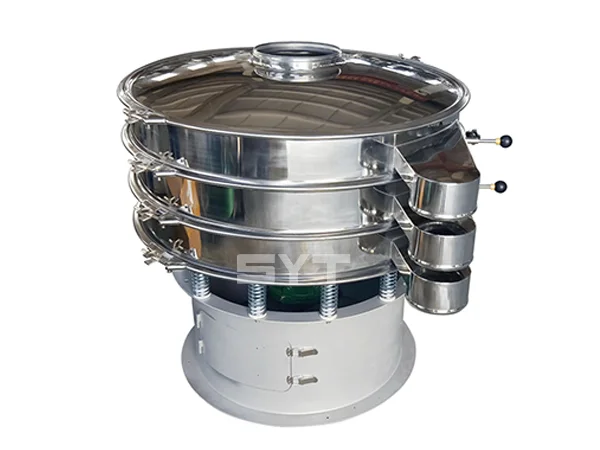
Standard Vibro Sifter
The standard design suits free-flowing powders, granules and general safety screening. It can be supplied with one to five decks, bouncing-ball cleaning, an enclosed cover and customized outlet positions.
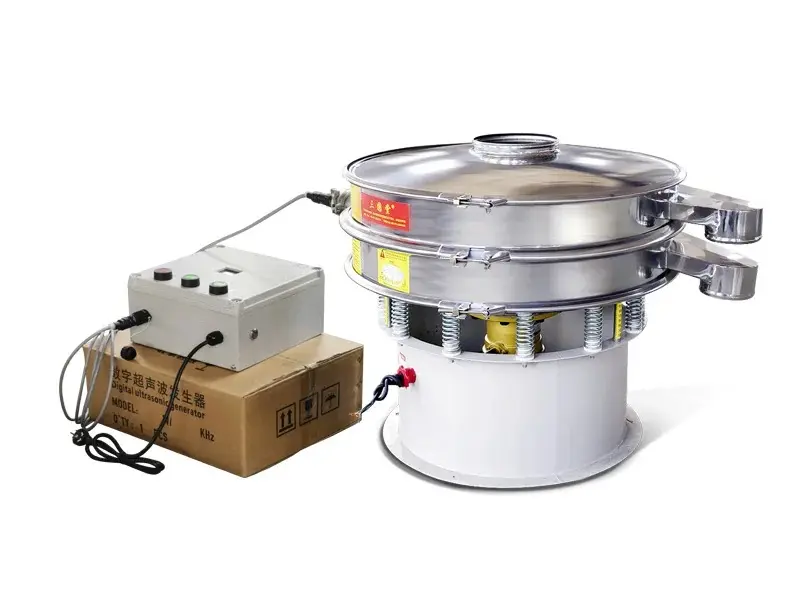
Ultrasonic Vibro Sifter for Fine Powder
An ultrasonic system transfers high-frequency energy to the mesh to reduce attachment by fine, lightweight or static-sensitive particles. Typical applications include metal powder, pigments, pharmaceutical powder and specialty additives. Ultrasonic assistance does not replace controlled feeding or correct mesh tension.
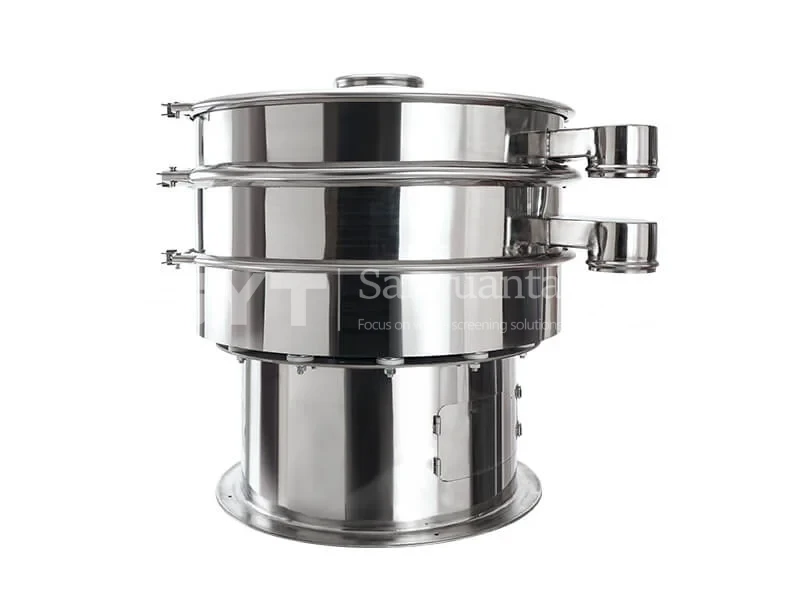
Food-Grade and Pharmaceutical Vibro Sifter
Food and pharmaceutical duties may require SS304 or SS316 product-contact parts, suitable gaskets, an enclosed material path and accessible cleaning surfaces. Final hygienic requirements should be agreed against the customer’s cleaning procedure and applicable standard.
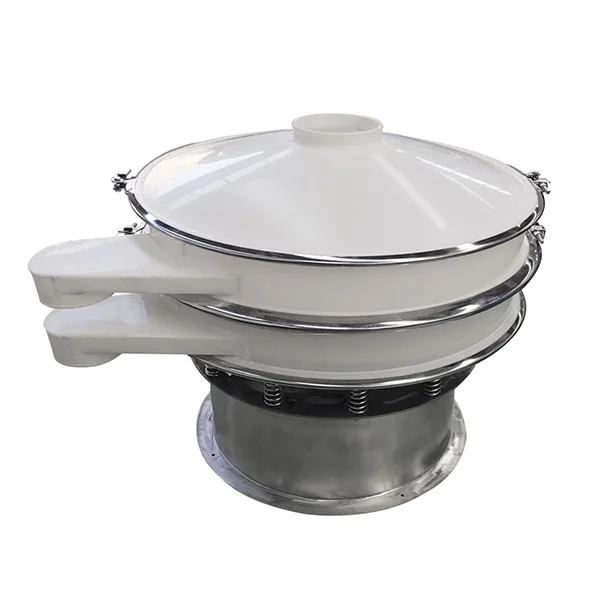
Corrosion-Resistant Vibro Sifter
SS316 or PP contact construction can be evaluated for corrosive products. Chemical compatibility, temperature, mechanical load and cleaning method must be confirmed before manufacture.
How to Select the Right Vibro Sifter?
The right vibro sifter should be selected according to the material characteristics, target particle size, required capacity and screening purpose. Key factors include mesh size, bulk density, moisture, flowability, number of separations and production rate. For fine powders, difficult-to-screen materials or high-purity applications, screen configuration, vibration parameters and contact-material requirements should also be confirmed before sizing the machine.
1. Define the Separation Target
Confirm what must pass through the screen, what must remain above it, the acceptable misplaced material and the number of required product fractions.
2. Review the Material
Useful data includes bulk density, particle-size distribution, moisture, flowability, abrasiveness, static tendency, temperature, corrosion risk and hygiene requirements. The material name alone is not enough for reliable selection.
3. Confirm Aperture and Capacity
State the required capacity in kg/h or t/h together with the aperture. Screening flour at 24 mesh and classifying cohesive powder at 300 mesh are different process duties, even when the requested throughput is the same.
4. Select Decks and Contact Material
We use the separation duty to select screen diameter, deck quantity, mesh sequence, motor power and cleaning method. SS304, SS316, carbon steel and PP contact construction are available according to hygiene and corrosion requirements.
5. Check the Production-Line Interface
Before manufacture, we confirm inlet dimensions, outlet direction, connection height, upstream feeding equipment, downstream collection, maintenance space, voltage and frequency. This reduces modification work during installation.
Custom Options
Sanyuantang offers a range of customization options for vibro sifters to suit different materials, operating conditions and installation requirements. Options include SS304, SS316 or PP contact parts, customized inlet and outlet designs, mesh cleaning systems, enclosed covers, support frames and motor configurations. Each option can be specified according to material characteristics, hygiene requirements, site conditions and production needs.
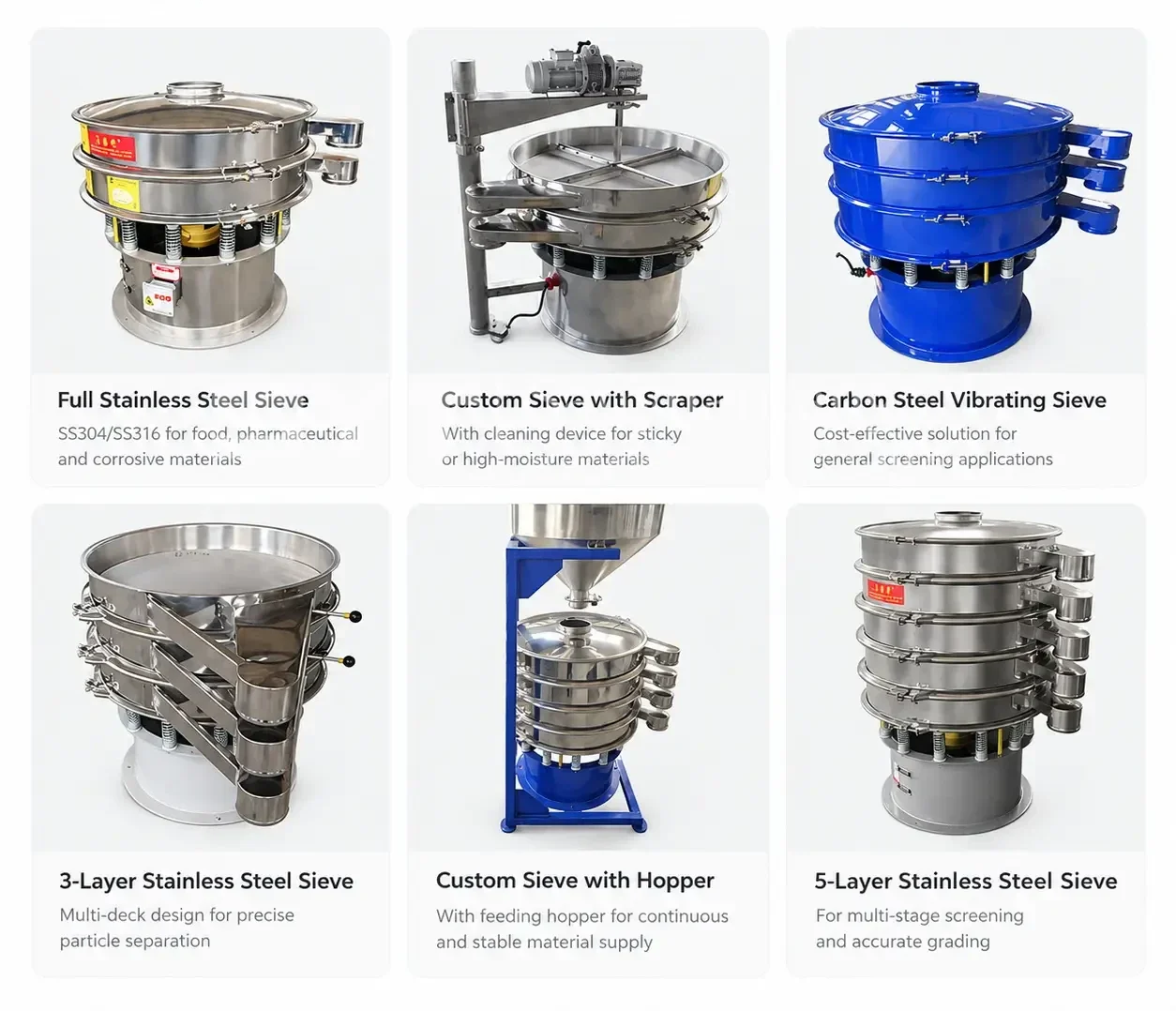
| Option | Engineering Purpose |
|---|---|
| Customized inlet and outlet | Match hoppers, feeders and downstream equipment |
| SS304, SS316 or PP contact parts | Meet hygiene or corrosion requirements |
| Bouncing-ball or ultrasonic cleaning | Reduce mesh blinding for selected products |
| Enclosed cover and flexible connections | Control dust without restricting machine movement |
| Mobile or raised support frame | Provide access and match installation height |
| Explosion-proof motor and custom voltage | Match the approved site electrical specification |
Contact Us
Need Help Selecting the Right Vibro Sifter?
Not sure which model fits your screening process? Share your material type, particle size, required capacity, and screening accuracy. Sanyuantang engineers will recommend a suitable vibro sifter model, mesh configuration, and equipment specifications based on your production requirements.
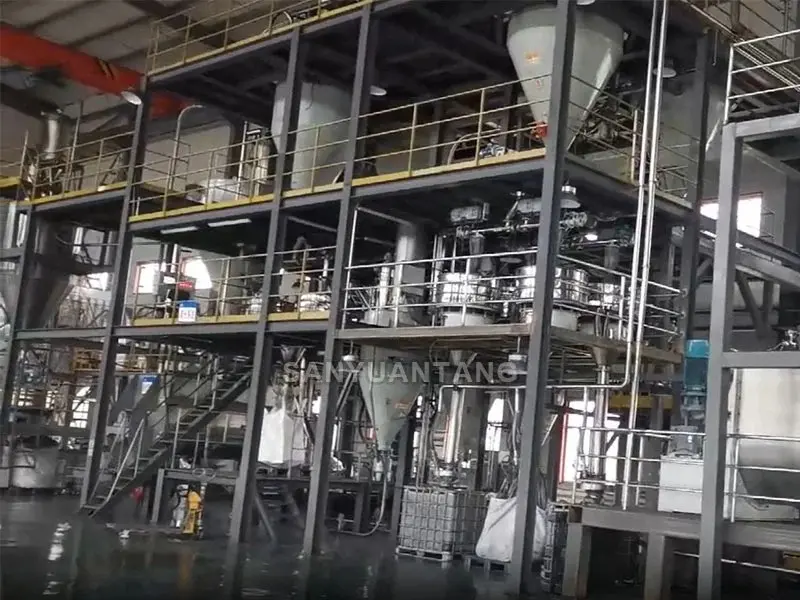
Vibro Sifter Integration with Production Lines
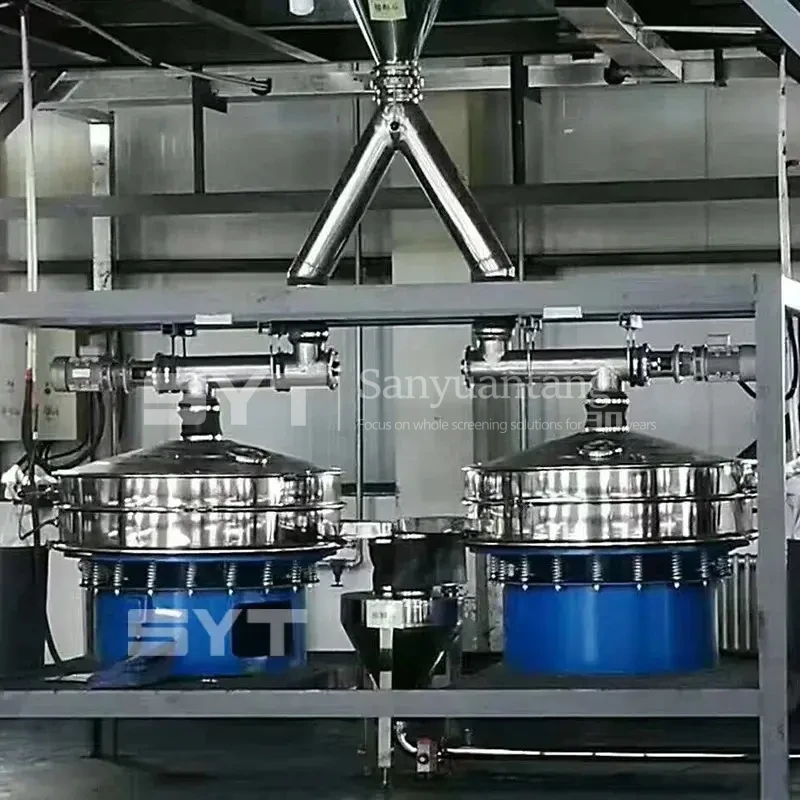
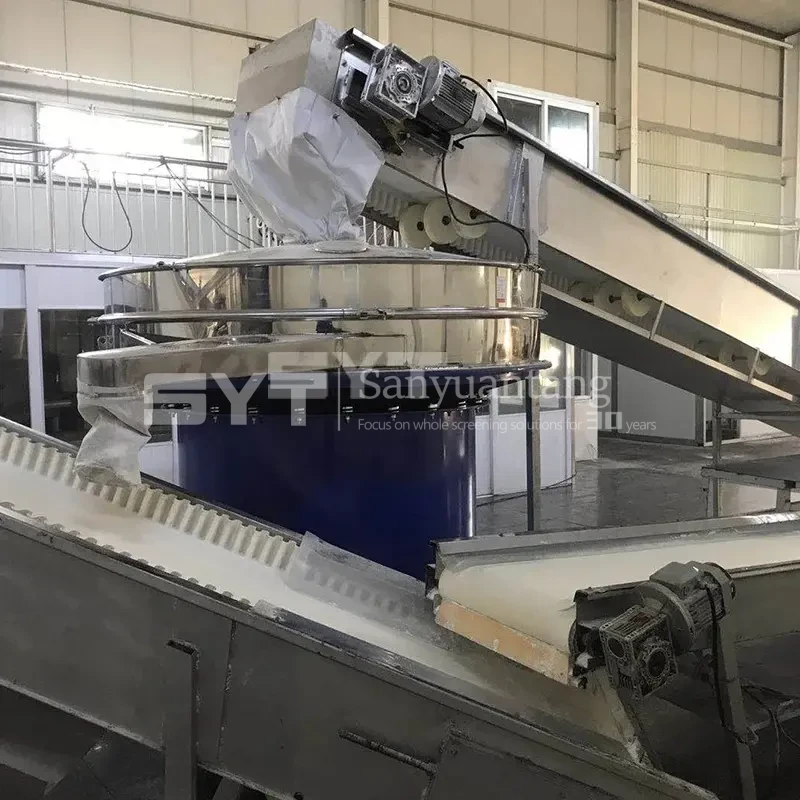
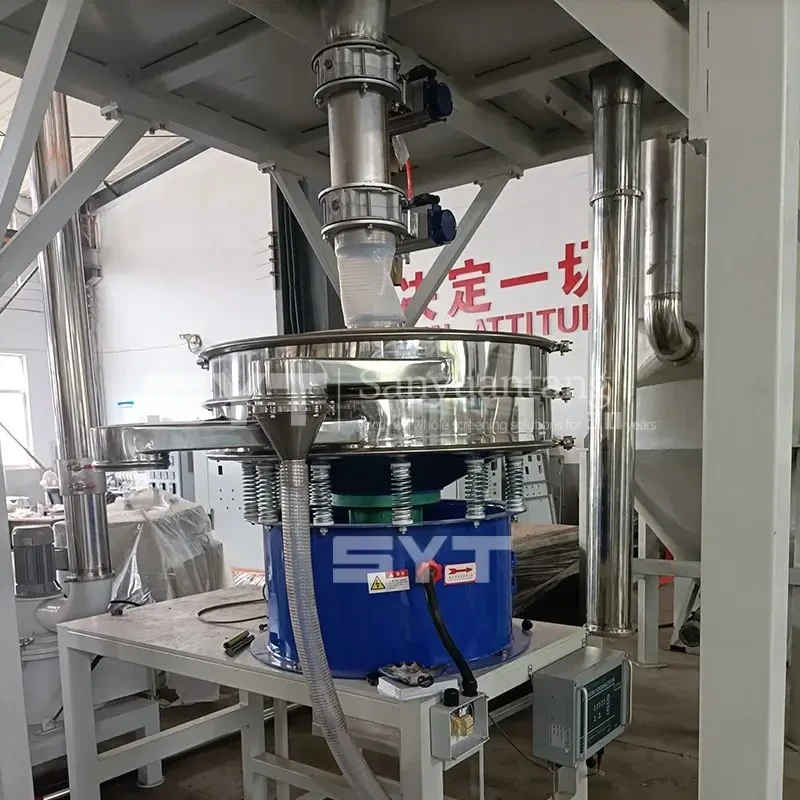
Vibro sifter machines can be integrated with screw conveyors, vacuum feeders, storage hoppers and downstream processing equipment. Inlet and outlet connections, discharge height, feeding methods and support structures can be configured to match the production-line layout. These arrangements support continuous material feeding, screening and discharge while reducing manual handling.
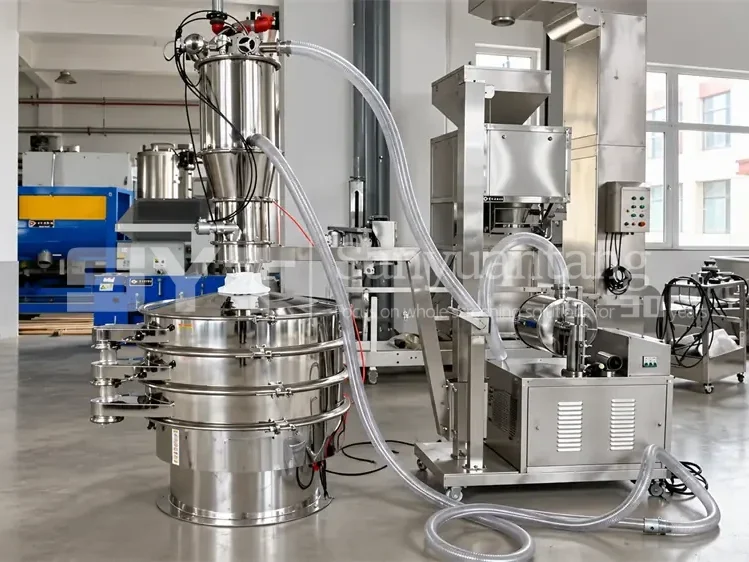
Vacuum Feeding and Vibro Sifting System
System Configuration: Vacuum Feeder + Vibro Sifter + Collection Hopper
An enclosed screening system designed for fine powders in food, pharmaceutical and chemical processing. The vacuum feeder transfers materials directly into the vibro sifter for particle separation and impurity removal. Screened materials are collected in a hopper or transferred to the next processing stage, reducing manual handling and dust exposure.
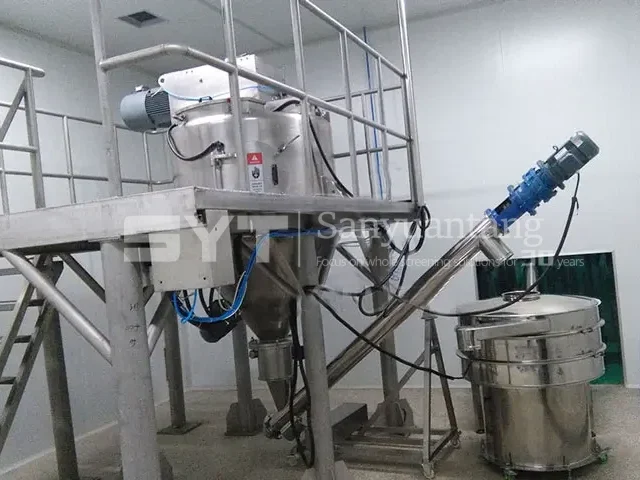
Screw Conveying and Vibro Sifting System
System Configuration: Screw Conveyor + Vibro Sifter + Discharge Conveyor
Suitable for continuous screening of powders and granular materials. The screw conveyor delivers material to the vibro sifter at a controlled feed rate. After screening, qualified material is discharged to downstream conveying or processing equipment. The system can be configured to match different installation heights and production capacities.
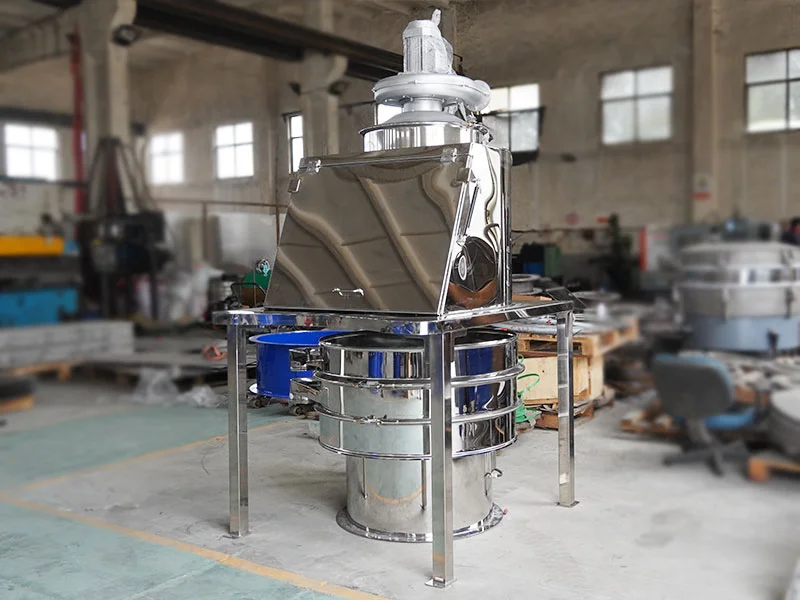
Bulk Bag Unloading and Vibro Sifting System
System Configuration: Bulk Bag Unloader + Vibro Sifter + Storage Hopper
Designed for bulk material handling and screening before storage, mixing or packaging. Materials are discharged from bulk bags into the vibro sifter for oversize particle removal and product grading. Screened materials are then collected in a storage hopper or fed directly to downstream equipment. Dust collection and enclosed connections can be added according to site requirements.
Vibro Sifter Project Gallery
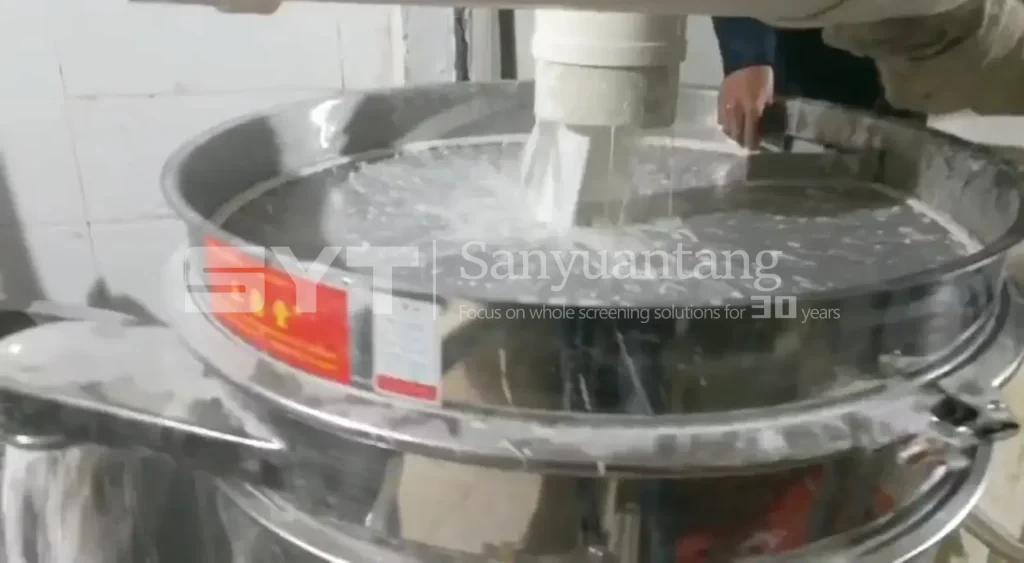
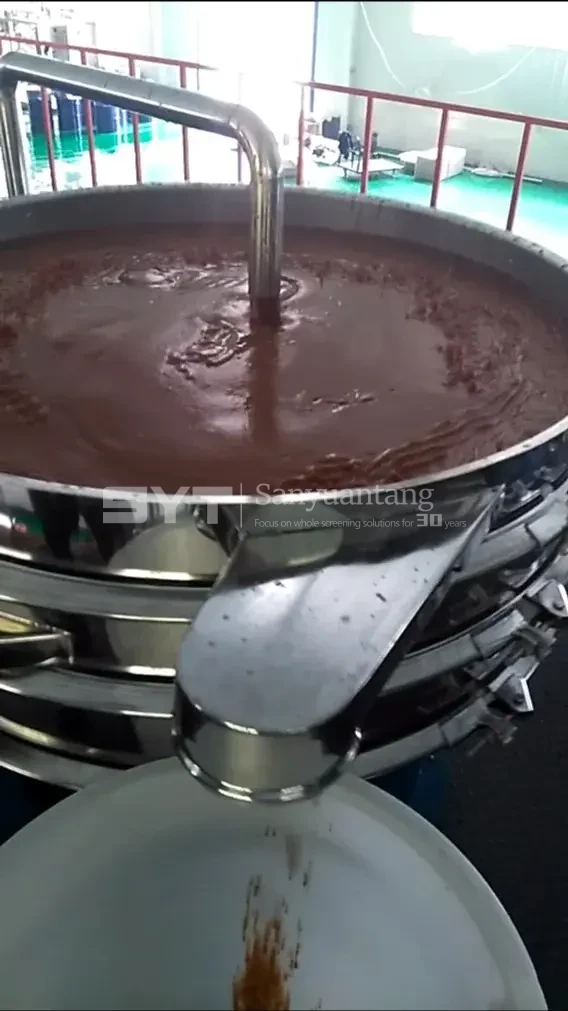
Material Testing and Quality Inspection
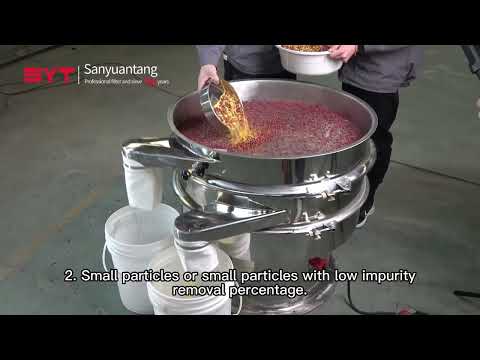
Material Screening Trials
We recommend testing when the aperture is fine, the powder is cohesive or static-sensitive, moisture varies, several fractions are required or product recovery has a strict acceptance limit. A useful trial records feed quantity, screen aperture, test duration, throughput, fine and coarse product weights, visible blinding and recovery.
Pre-Shipment Inspection
Before shipment, Sanyuantang checks the model, deck arrangement, contact material, screen aperture, weld and surface condition, clamps, gaskets, springs, motor, inlet and outlet orientation, electrical supply and no-load operating stability against the approved specification.
Vibro Sifter Price and Cost Factors
The reference price range for Sanyuantang rotary vibrating screens and related screening equipment is approximately $300 to $2,300 per unit; specific quotes depend on the selected model and configuration.
| Vibro Sifter Configuration | Indicative Price (USD/set) |
|---|---|
| Basic flour or powder sifter | $299–$399 |
| SY-600 powder sieving machine | $540–$749 |
| General-purpose vibro screen / rotary sifter | $525–$999 |
| Larger or multi-layer circular vibrating screen | $1,300–$1,350 |
| Ultrasonic vibrating screen | From $690 |
| Specialized pollen screening machine | Around $2,300 |
Main Cost Factors
Vibro sifter price depends on the model, decks, contact material, mesh-cleaning system, motor specification, custom connections, controls, spare screens, packing and destination. A low initial price may not provide the lowest operating cost if the machine is undersized or screen changes are difficult. Provide the material, aperture, capacity and construction requirement for a useful quotation.
- Screen diameter and capacity: Larger screening areas and higher throughput generally require a larger machine and motor.
- Number of layers and outlets: Multi-layer configurations add screen decks and can increase sorting capability and cost.
- Contact material: Carbon steel, stainless steel 304, and stainless steel 316 have different material costs; food, pharmaceutical, or corrosive applications may require higher-grade contact surfaces.
- Mesh cleaning and fine screening: Bouncing-ball cleaning is a common option. Ultrasonic systems can add cost for fine powders or meshes prone to blinding.
- Product-contact and finish requirements: Polished surfaces, sealed construction, and application-specific designs affect fabrication and inspection requirements.
- Electrical and compliance requirements: Voltage, motor specification, explosion-proof requirements, and requested certifications can affect the quotation.
- Order and delivery terms: Quantity, packaging, shipping route, Incoterms, and destination duties change the delivered cost.
Why Choose Sanyuantang as Your Vibro Sifter Manufacturer?
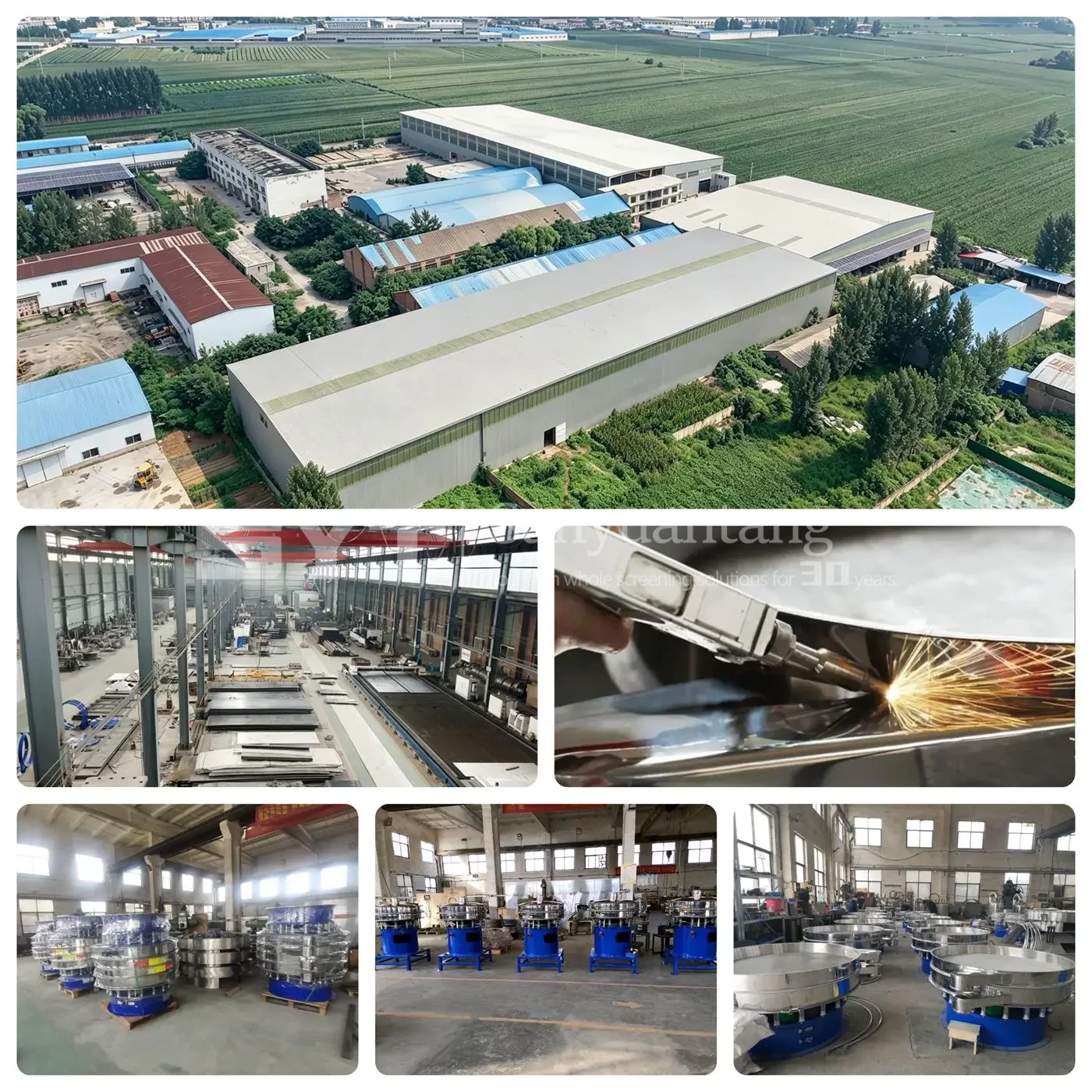
Sanyuantang has specialized in screening and conveying equipment since 1994, with 30 years of experience in vibro sifters, vibrating screens and complete material handling systems. We hold 40+ product patents and ISO 9001 and CE certifications, supported by in-house laser cutting, welding, bending, drilling, rolling and CNC machining capabilities.
Beyond standard vibro sifter supply, our engineers provide customized screening solutions based on material properties, particle size, capacity and production layout. Services include machine trials, screening result videos, equipment customization and complete project support from system planning and manufacturing to installation and process optimization. Sanyuantang has supplied equipment and solutions to more than 3,000 customers across food, chemical, pharmaceutical, metal powder, mining and other industries.
Frequently Asked Questions About Vibro Sifters
What is a vibro sifter used for?
A vibro sifter screens, classifies, de-dusts, de-lumps or filters powders, granules and suitable liquids. Fine material passes through the selected aperture while oversize material discharges separately.
What mesh sizes can a vibro sifter handle?
The Sanyuantang SY-XZS range supports approximately 2–500 mesh, depending on the model, material and screen configuration. Fine screening duties should be reviewed with a sample and particle-size data.
How many product fractions can one machine produce?
One screen normally produces two fractions. Two screens produce three fractions. Selected SY-XZS models can be configured with up to five decks when capacity and cleaning requirements permit.
When is an ultrasonic vibro sifter required?
Ultrasonic deblinding is considered when fine, cohesive, lightweight or static-sensitive powder repeatedly blocks a conventional mesh. We recommend testing before specifying the system.
Can the vibro sifter process slurry?
Yes. A single-deck filtration configuration can remove suspended solids from suitable liquids or slurry. Screen aperture, seals, outlet size, contact material, temperature and solids concentration must be confirmed.
What information is required for a quotation?
Please provide the material name, bulk density, feed particle size, target mesh or aperture, required capacity, number of fractions, contact-material requirement, voltage and installation constraints.